Getting landlord insurance right is critical; we’re seeing more claims knocked back simply because the policy didn’t cover accidental damage or only had very basic rent-loss cover.
Why “standard” landlord policies fall short
Most off‑the‑shelf landlord policies only give limited loss of rent cover for insured events (like fire or storm) and often exclude:
-
Break lease or abandonment.
-
Many types of accidental damage.
-
Negligent damage by tenants (e.g. slow leaks not reported, water left on porous surfaces causing rust or swelling).
Insurers also treat “tenant damage” types very differently, so what you think is obvious may not be covered under a basic policy.\
Accidental vs malicious vs wear and tear
It helps to understand how insurers usually categorise damage:
-
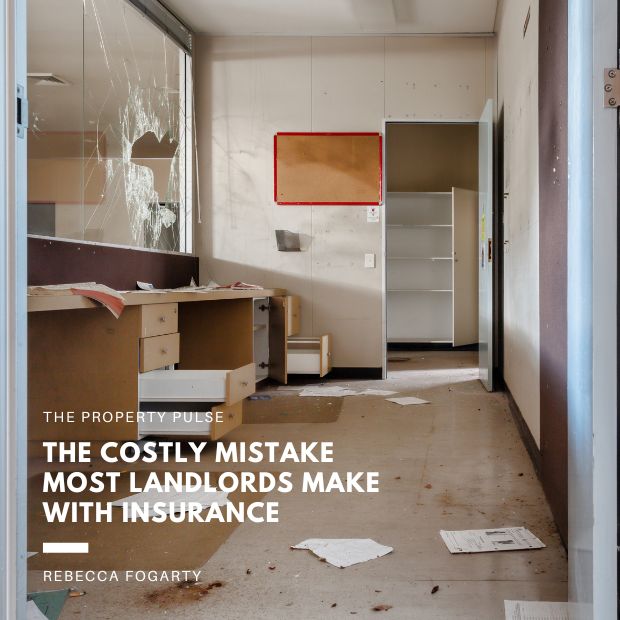
Accidental damage – sudden, unintended events: burns or iron marks on carpets, a car driven into a wall or garage, chips to walls/tiles, smashed windows, red wine on carpet, kids breaking fittings.
-
Malicious / intentional damage – deliberate acts like punching holes in walls, graffiti, or deliberately vandalising a property.
-
Negligence – often treated as accidental: failing to report leaks, leaving wet items on timber or metal surfaces, not using extractor fans so mould develops, allowing rust or swelling due to long‑term moisture.
-
Fair wear and tear – ageing, gradual deterioration, scuffed paint from normal living. This is almost never covered by insurance and must be allowed for in tenancy claims.
The big trap: many generic landlord policies explicitly exclude “carelessness, neglect or accidental damage” unless you add an accidental damage option, so a huge chunk of real‑world tenant damage falls into a gap.
Why relying on the bond is risky
Even when tenants are legally responsible, the bond is a small safety net and is frequently not enough to cover the true loss.
-
In Queensland, the RTA conciliated more than 16,000 bond disputes in one year, mostly about property condition and costs at the end of tenancy.
-
Nationally, data shows a significant share of tenants lose part or all of their bond, but average refunds are still around 75% of the bond, meaning there’s often money not available to cover full repair costs.
-
Industry data from one major landlord insurer shows more than 3,500 tenant‑related claims in a recent year, worth over $13.6 million; without comprehensive cover many landlords would have had to wear those costs personally.
Even with a QCAT/tribunal order, turning that piece of paper into money is hard: tenants may have no assets, move frequently, or require a debt collector, which adds time and stress. A strong landlord policy pays you first, then the insurer can pursue the tenant if appropriate.
The role of rent-loss and tenant damage cover
Recent claims statistics highlight how common tenant‑related issues are:
-
One insurer reported nearly 3,000 tenant‑related claims in a single year (loss of rent and tenant damage) with payouts over $22 million.
-
Loss of rent including accidental damage alone accounted for 1,292 claims worth $12.5 million; straight loss of rent added another 1,014 claims and $3 million in payouts.
-
Specialist landlord policies that include accidental tenant damage and loss of rent can offer up to tens of thousands of dollars of cover for building and contents – protection that simply doesn’t exist in a bare‑bones policy.
This shows that:
-
Tenant‑related risks are more common than big “insured events”.
-
Most of the serious financial hits are around accidental or negligent damage combined with rent loss, exactly where standard policies can be weakest.
Choosing the right landlord policy
There are excellent landlord‑specific products on the market, but they’re not all equal. When comparing, focus less on the premium and more on:
-
Whether accidental tenant damage is standard (and the dollar limit).
-
How much loss of rent is covered (and for which scenarios: insured events only, or also default, break lease, eviction, and abandonment).
-
Treatment of negligence and gradual damage (e.g. leaks, mould, rust).
-
Excesses for different claim types (you don’t want a claim wiped out by a high excess).
-
Insurer experience with landlord claims and tenant‑related disputes.
In a tight rental market, most landlords are simply trying to protect their retirement asset, not “make a killing”. A well‑chosen landlord insurance policy means:
-
Tenants are still held responsible where appropriate.
-
You are not left financially exposed when the bond and the tribunal system can’t make you whole.
-
The insurer, not you, takes on the stress of recovering money from a tenant after the fact.
For many owners, that peace of mind is worth far more than the extra few dollars a month it costs to step up from a stock‑standard policy to comprehensive, landlord‑specific cover.