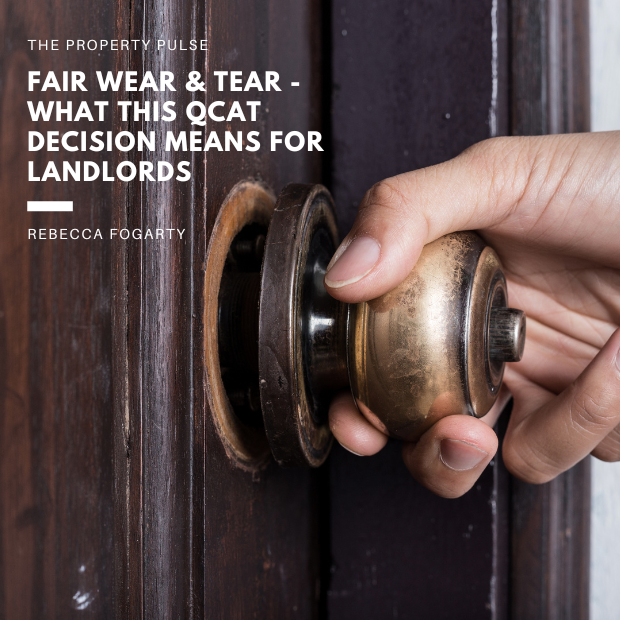
A recent QCAT decision (Emmert v Rolfe & Anor QCAT 502) provides clear, practical guidance for landlords on what is and is not “fair wear and tear” at the end of a tenancy.
What QCAT said about fair wear and tear
QCAT confirmed that fair wear and tear is the “natural and gradual deterioration” of a property or its fixtures from ordinary, everyday use. It is different from damage caused by abuse, misuse or negligence. This aligns with section 188(4) of the Residential Tenancies and Rooming Accommodation Act 2008 (Qld), which makes tenants not responsible for fair wear and tear. The Tribunal gave examples:
-
Fair wear and tear: worn carpets and curtains due to age and sunlight, faded or chipped paint from regular use, worn handles and hinges, minor marks or scuffs on walls from furniture.
-
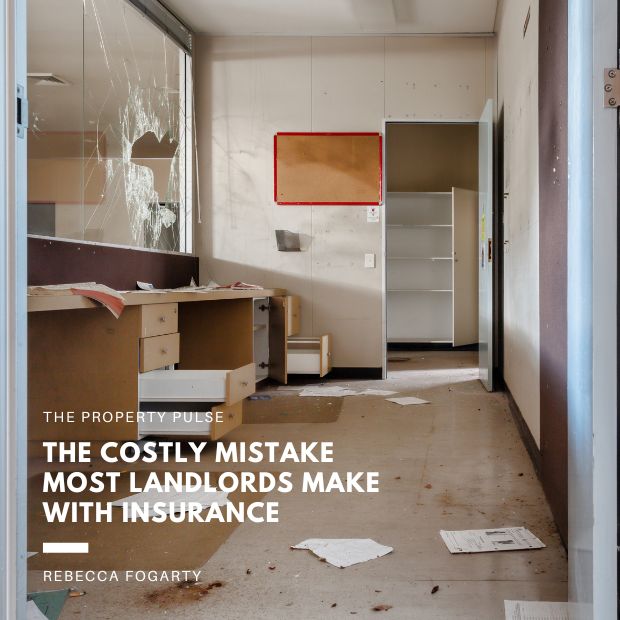
Damage (not wear and tear): large holes or dents in walls, broken windows or doors, stains or burns on carpets beyond normal use, missing fixtures, and negligence leading to water damage, mould or pest infestation.
This mirrors REIQ best practice, which stresses that landlords should expect some deterioration over time and that claims should focus on actual damage beyond normal use. This precedent does highlight some grey areas particularly around pests and mould.
How the Tribunal applied this in the case
In the case, the lessor sought compensation for several items, supported by entry/exit reports, photos and invoices. QCAT:
-
Allowed claims where evidence showed damage beyond fair wear and tear (for example, a tap broken by excessive force and burns in carpets not present at the start of the tenancy).
-
Reduced or refused claims where the landlord was effectively seeking “betterment” (for example, replacing mature plants and upgrading a weathered post beyond its previous condition).
-
Declined to make the tenant pay for pressure cleaning, recognising environmental exposure and weather as factors, rather than a failure by the tenant. Tribunal did note that this might be different if the property was pressure cleaned at the start of the tenancy.
The Tribunal emphasised that items must be assessed in context of age, quality at the start, length of tenancy, number of occupants and evidence such as condition reports and photographs. This is consistent with REIQ guidance: landlords should not expect new‑for‑old and should avoid over‑claiming.
Key takeaways for landlords
From a property management perspective:
-
Ensure Form 1a Entry Condition Reports are detailed, with photos, so the starting point is clearly documented.
-
When claiming from bond or seeking compensation, focus on genuine damage and adjust for age and useful life to avoid betterment.
-
Align your expectations with the RTRA Act and REIQ best practice: normal wear and tear is part of owning a rental property, but tenants remain liable for negligent or intentional damage.
This decision shows that when landlords and agents follow the Act, keep good records and make reasonable, evidence‑based claims, QCAT is prepared to uphold those claims.